Deadwood Removal in Pottstown, PA
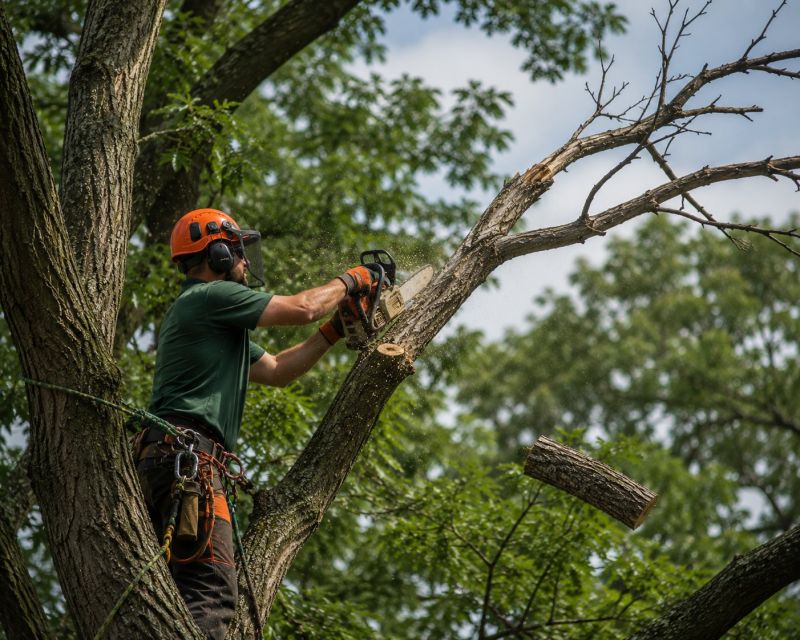
Deadwood removal services involve the careful removal of dead or hazardous trees, branches, and stumps from residential properties. These projects typically include removing fallen or damaged trees after storms, clearing out dead limbs that pose safety risks, and stump grinding to improve the appearance and safety of yards. Property owners often seek this service to prevent potential property damage, ensure safety for family and visitors, and enhance the overall landscape aesthetics.
Before requesting deadwood removal, property owners should consider the size and location of the trees or branches involved, as well as any potential obstacles around the work area. It’s helpful to understand the extent of the removal needed, such as whether entire trees or just specific limbs require attention. Clarifying these details can help ensure the service addresses safety concerns, complies with local regulations, and aligns with the property’s landscape management goals.
Many property owners in Pottstown, PA look into Deadwood Removal for repairs, replacements, upgrades, and appearance-related improvements.
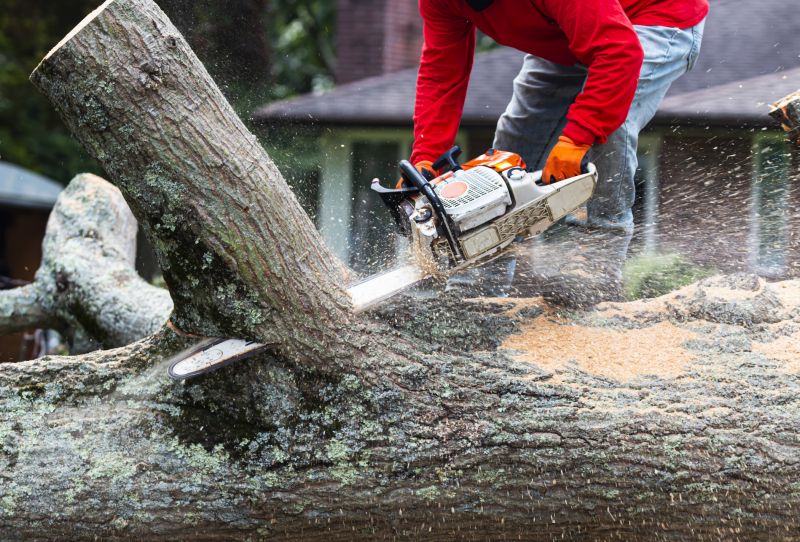
Types Of Deadwood Removed
Services include removal of fallen branches, hazardous trees, and storm-damaged limbs.
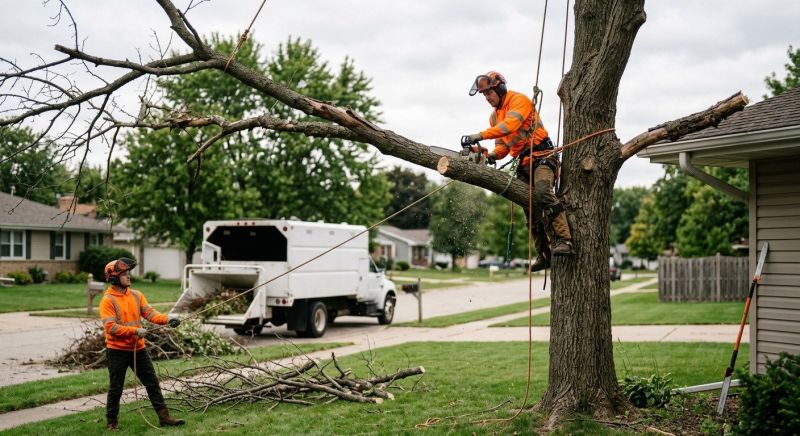
Safety And Property Care
Proper deadwood removal helps prevent damage to structures and reduces safety hazards on residential and commercial properties.
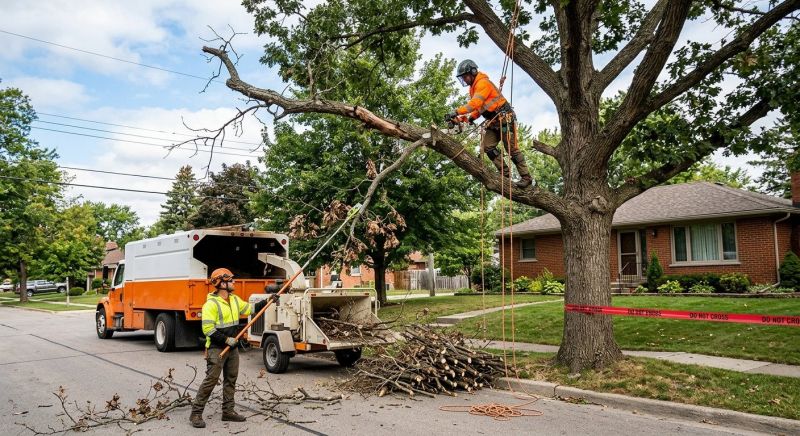
Equipment And Techniques
Specialized tools and methods ensure efficient removal of dead or dying trees while protecting surrounding landscapes.
Deadwood Removal in Pottstown, PA
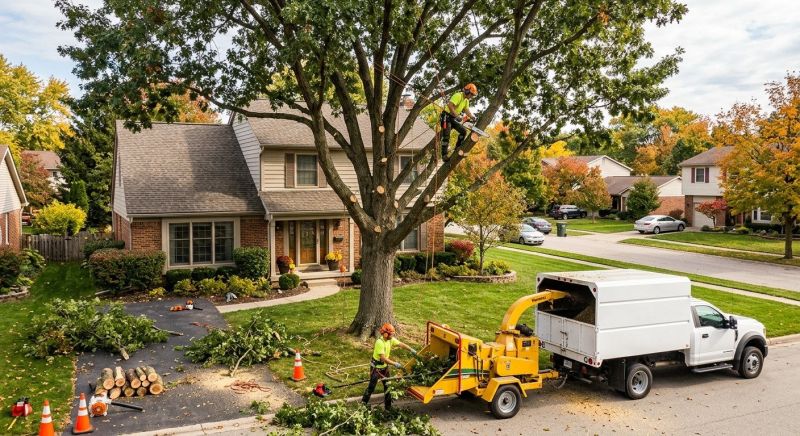
Deadwood removal services involve the careful removal of dead or hazardous trees, branches, and stumps from residential properties. These projects typically include removing fallen or damaged trees after storms, clearing out dead limbs that pose safety risks, and stump grinding to improve the appearance and safety of yards. Property owners often seek this service to prevent potential property damage, ensure safety for family and visitors, and enhance the overall landscape aesthetics.
Before requesting deadwood removal, property owners should consider the size and location of the trees or branches involved, as well as any potential obstacles around the work area. It’s helpful to understand the extent of the removal needed, such as whether entire trees or just specific limbs require attention. Clarifying these details can help ensure the service addresses safety concerns, complies with local regulations, and aligns with the property’s landscape management goals.
Many property owners in Pottstown, PA look into Deadwood Removal for repairs, replacements, upgrades, and appearance-related improvements.
Common Deadwood Removal Jobs
Deadwood Removal - Clearing dead or hazardous trees to improve property safety and appearance.
Stump Grinding - Removing tree stumps to prevent pest infestations and create level landscaping.
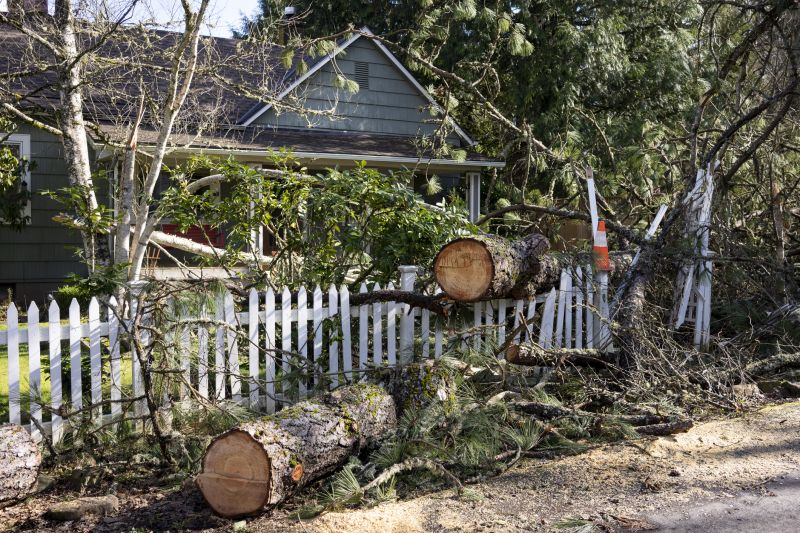
Emergency Deadwood Removal - Addressing fallen or unstable trees after storms or severe weather events.
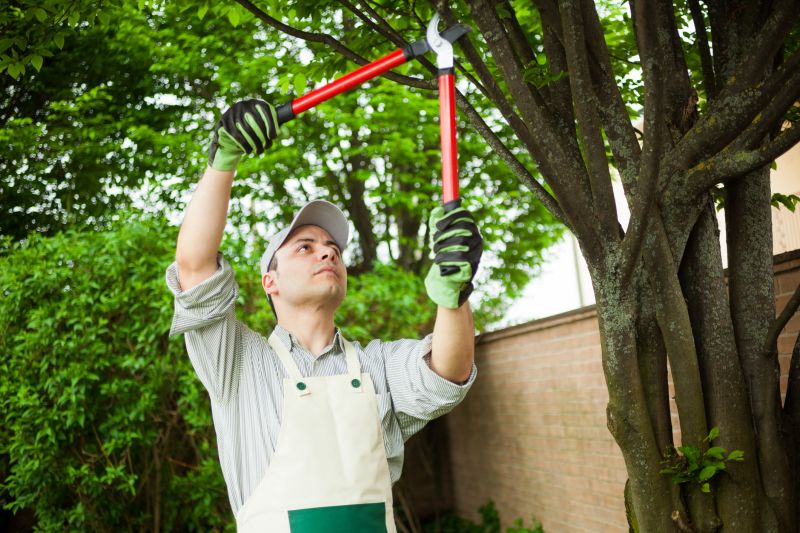
Selective Deadwood Removal - Removing specific dead branches to promote healthy tree growth.
Landscape Clearing - Removing dead trees and debris to prepare areas for new planting or construction.
Hazard Tree Removal - Eliminating dead or dying trees that pose risks to structures and nearby people.
Deadwood Removal Questions
What types of deadwood removal services are available? Services include removal of fallen branches, broken limbs, and hazardous tree parts to improve safety and aesthetics.
Why should deadwood be removed from a property? Removing deadwood reduces the risk of falling debris, prevents pest infestations, and maintains the health of remaining trees.
Is deadwood removal suitable for all types of trees? It is suitable for most trees, especially those with damaged or diseased branches that pose safety concerns.
What are common signs that deadwood needs removal? Visible broken or hanging branches, decay, or dead limbs are indicators that removal may be necessary.
Request Deadwood Removal in Pottstown, PA
Use the quote form on this page to share the basics of your project and request more information for the type of work you need.